Promoting interdisciplinary research
Integrating expertise across multiple scientific domains.
Enhancing mental health interventions
Developing sound-based therapies that complement traditional treatment methods.
Advancing neuro-acoustics
Investigating how sound influences cognitive and emotional processes.
Increasing Public Awareness
Disseminating knowledge about research developments in neuro-acoustics.
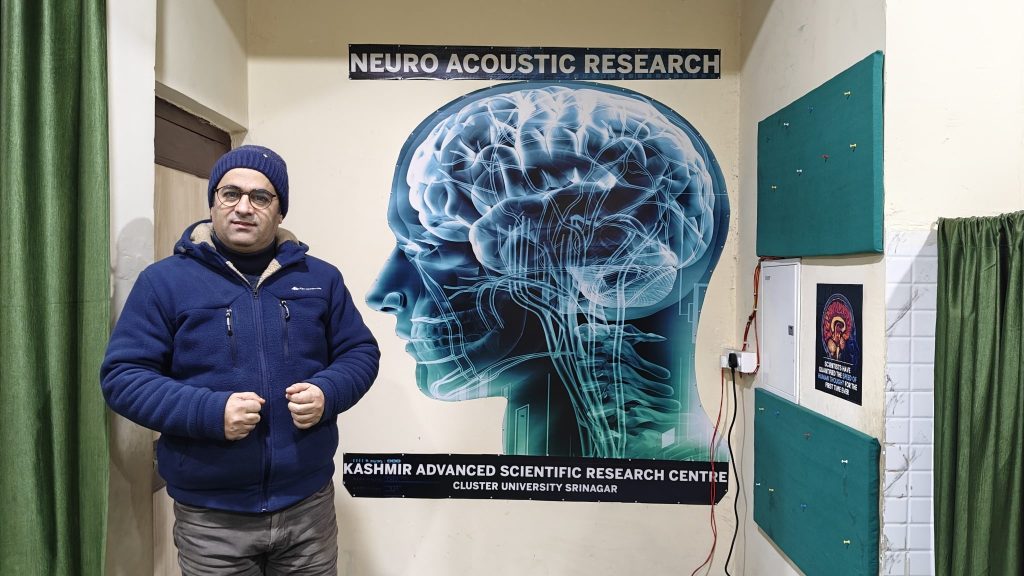
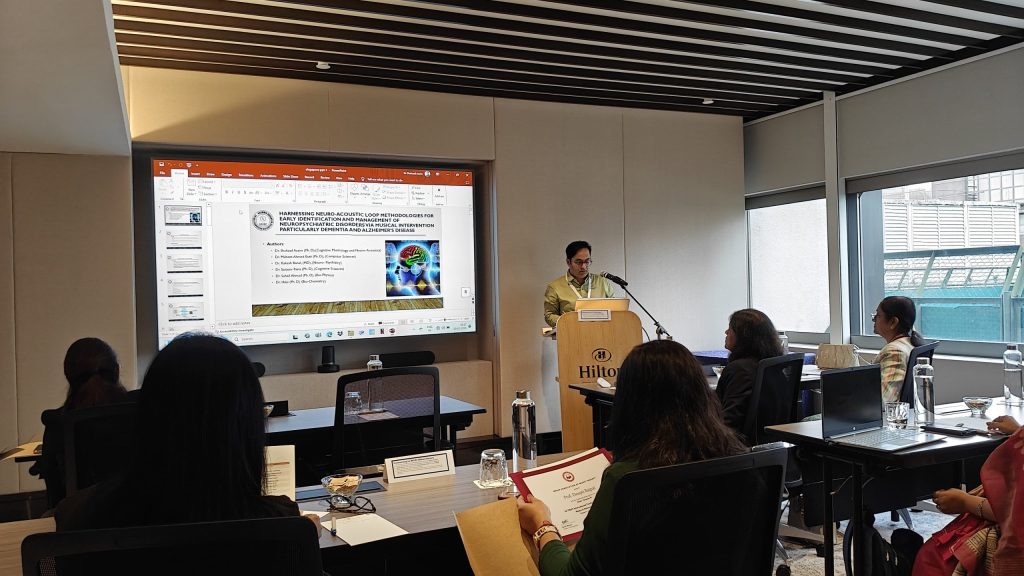
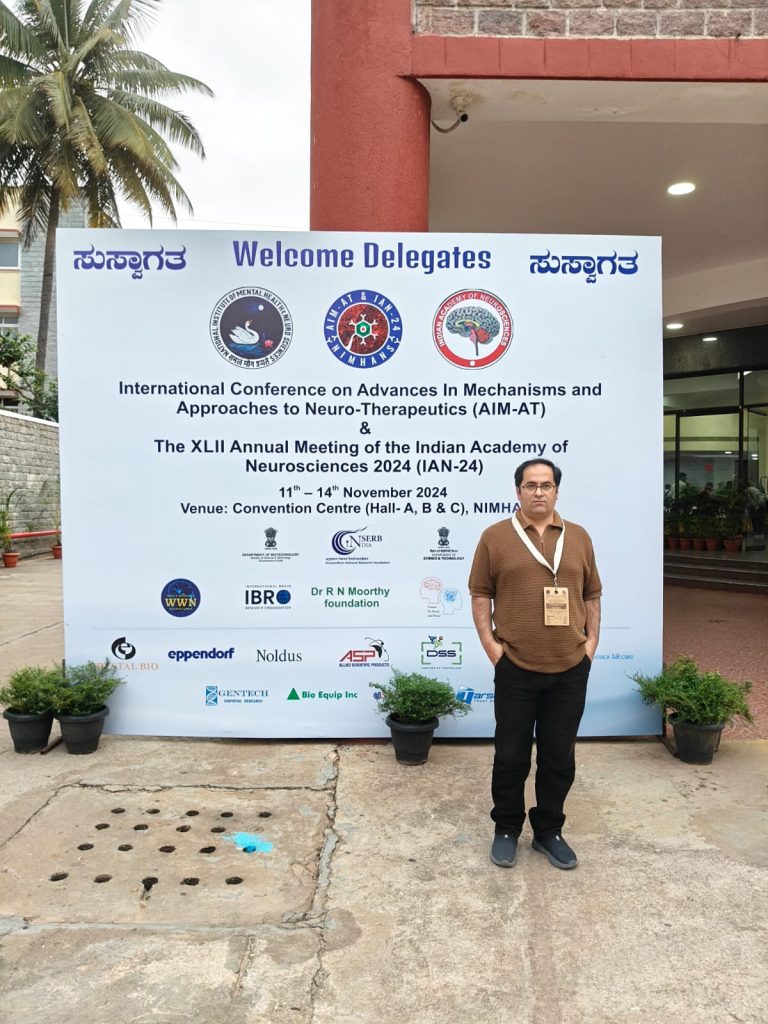
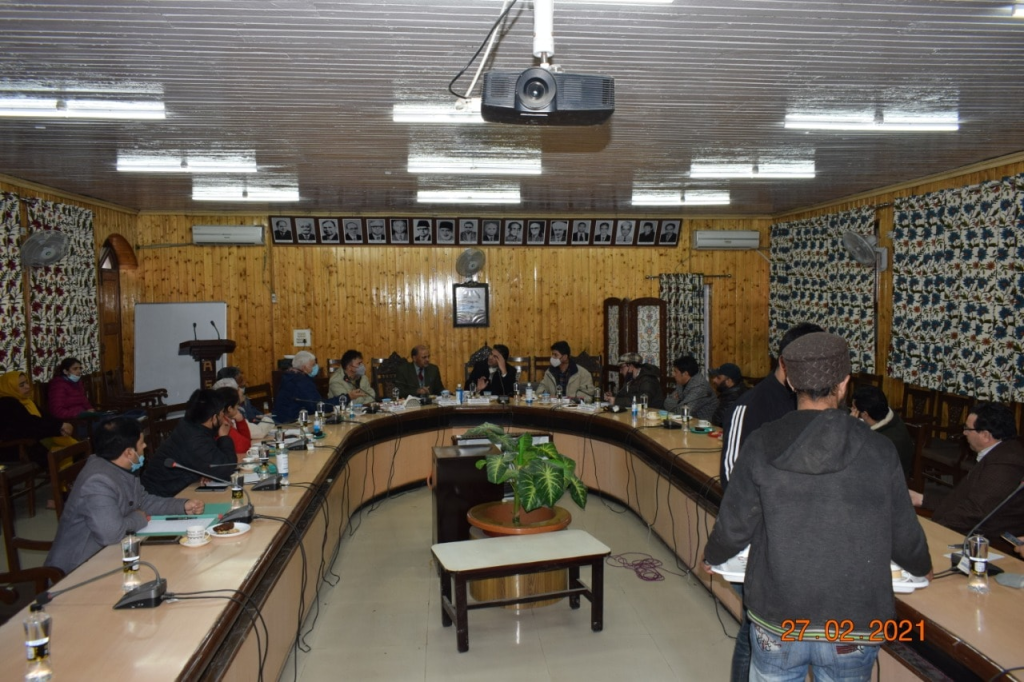
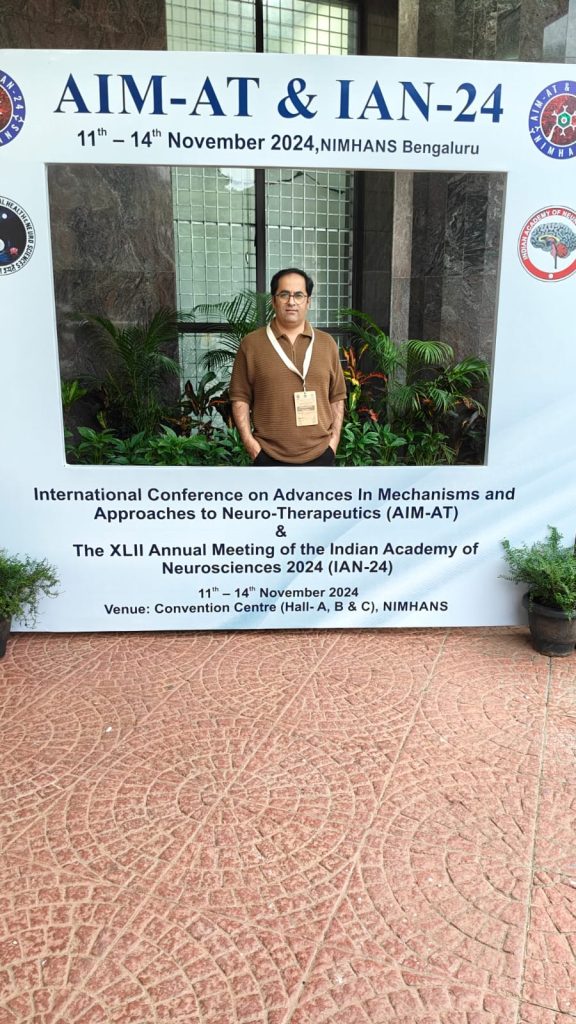
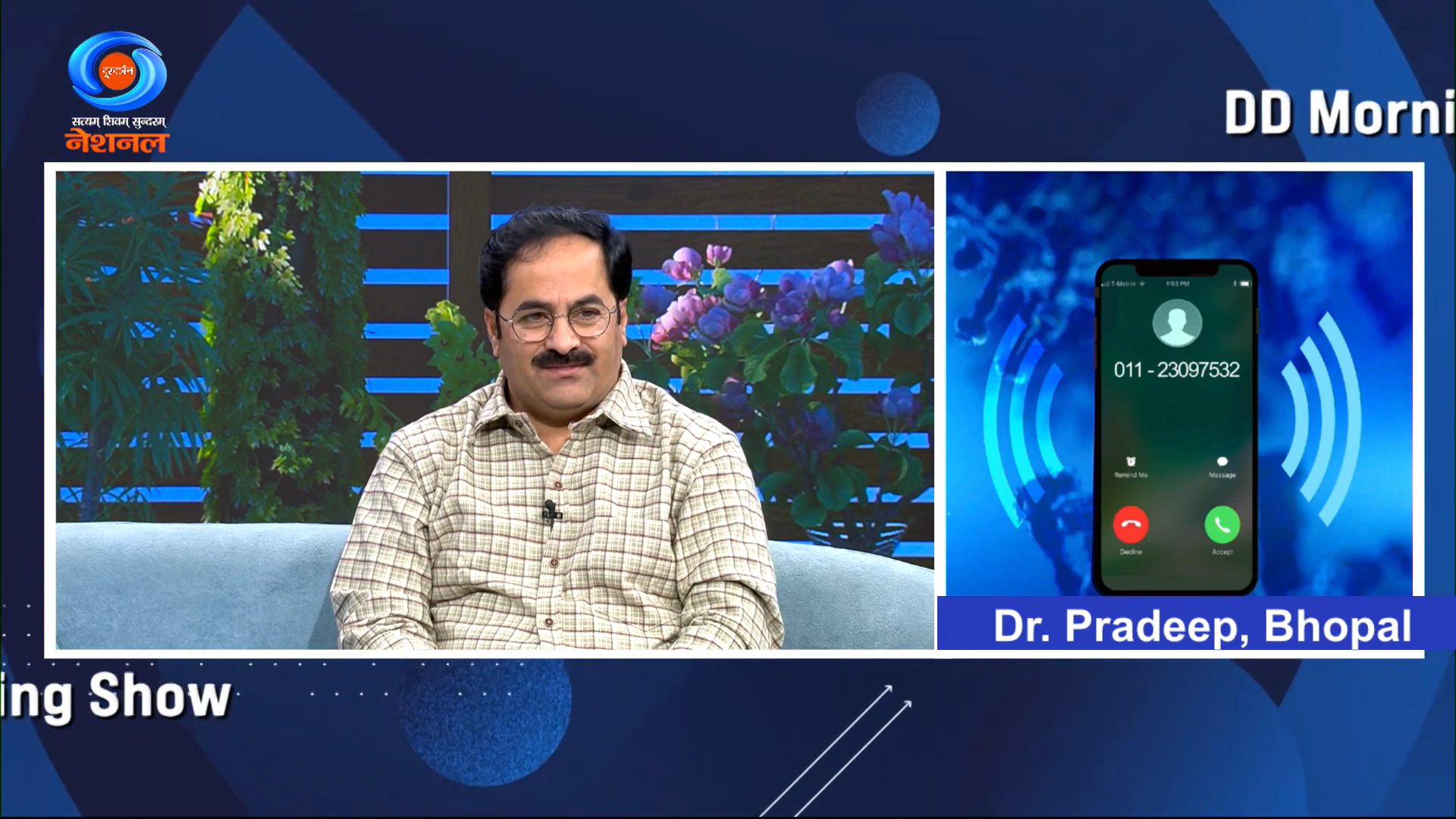
Some Glimpses
















Latest Notifications
Institute of Human Behavior and Allied Sciences, located in Delhi, India
International Association of Music and Medicine (Lifetime Member)
Indian Academy of Neurosciences (IAN) life-time member
Society for Neuroscience (SfN) United States
Recognised and Registered As SIRO by Department of Scientific and industrial research DSIR ministry of Science and technology Govt of india
ISTAART Alzheimer’s association USA (Professional Member)
Professional Lifetime Member of the Indian Association of Music Therapy (IAMT)
Institute of Mental Health and Neuro-Sciences (IMHANS)
SKIMS Medical College and Hospital, JVC Bemina Srinagar
Department of Neurology All India Institute of Medical Sciences AIIMS New Delhi
National Institute of Technology (NIT) Srinagar:
Institute of Human Behavior and Allied Sciences (IHBAS)
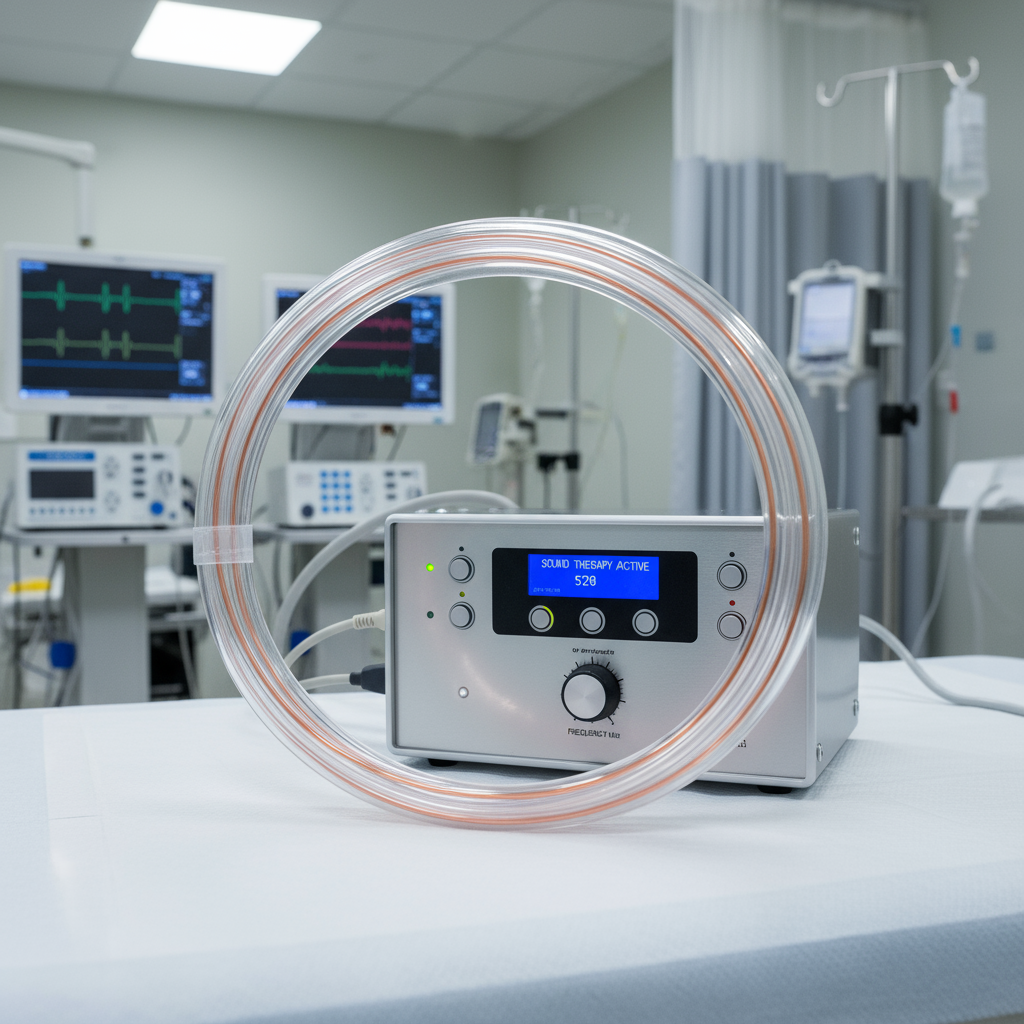
Brain Photo Modulation Machine
Utilized for innovative research in neuro-acoustics and brain modulation techniques.
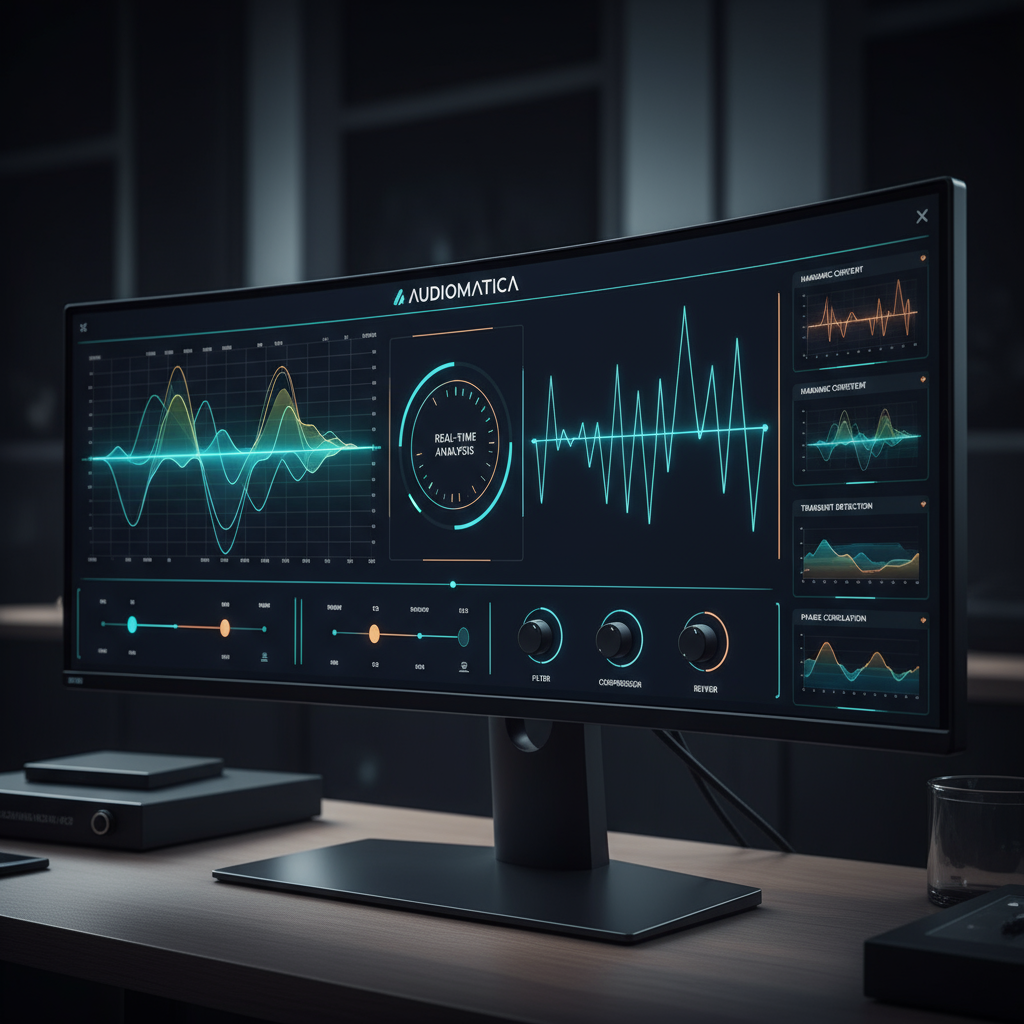
Sophisticated Sound Analysis Software
Essential for in-depth analysis of acoustic data and sound phenomena, enabling researchers to unravel the complexities of auditory perception.

EEG (Electroencephalography) Machines
For non-invasive monitoring of brain activity and studying neural responses to various stimuli.

Acoustic Loop Equipment
Facilitating experiments and studies in sound propagation, acoustics, and psychoacoustics.
Therapeutic applications
Researching sound therapies for neuropsychiatric disorders such as depression, anxiety, PTSD, ADHD, ASD, dementia, Alzheimer’s, and Parkinson’s disease.
Physiological effects
Understanding how different sound frequencies affect cognitive functions and emotional health.
Diagnostic tools
Developing sound-based assessments for early detection of cognitive impairments.
Research focus of KASRC
The Kashmir Advanced Scientific Research Centre (KASRC) focuses on pioneering research in neuro-acoustics, exploring the complex relationship between sound, brain activity, cognition, and human behavior. By integrating principles from neuroscience, acoustics, psychology, and music science, the Centre investigates how sound-based stimuli influence mental processes and overall well-being.
Key Research Areas
Therapeutic Applications
Research on sound and music-based therapeutic approaches aimed at supporting the management of neuropsychiatric and neurological conditions such as depression, anxiety, PTSD, ADHD, Autism Spectrum Disorder (ASD), dementia, Alzheimer’s disease, and Parkinson’s disease.
Physiological and Cognitive Effects
Studying how different sound frequencies, rhythms, and acoustic patterns affect brain function, cognitive performance, emotional regulation, and mental health.
Diagnostic Innovations
Developing sound-based diagnostic methods to support the early detection of cognitive impairments and neurological disorders, contributing to advancements in neuroscience and preventive healthcare.
Through interdisciplinary collaboration and innovative research methodologies, KASRC aims to advance scientific understanding of sound–brain interactions and contribute to the development of novel research and therapeutic approaches.